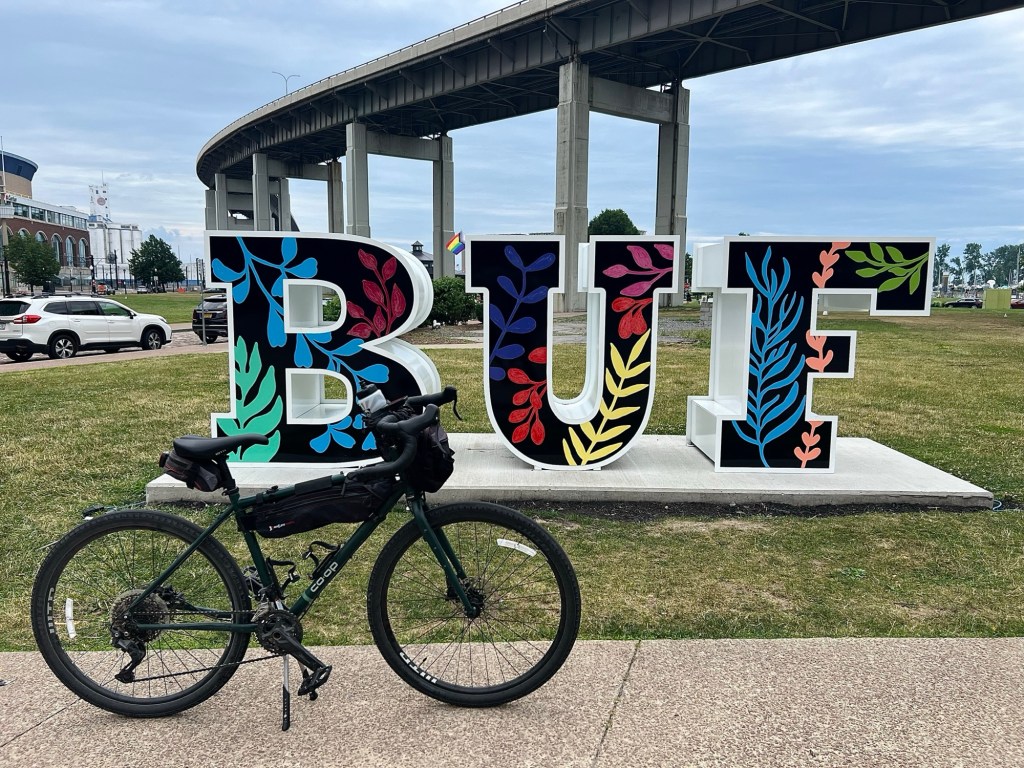
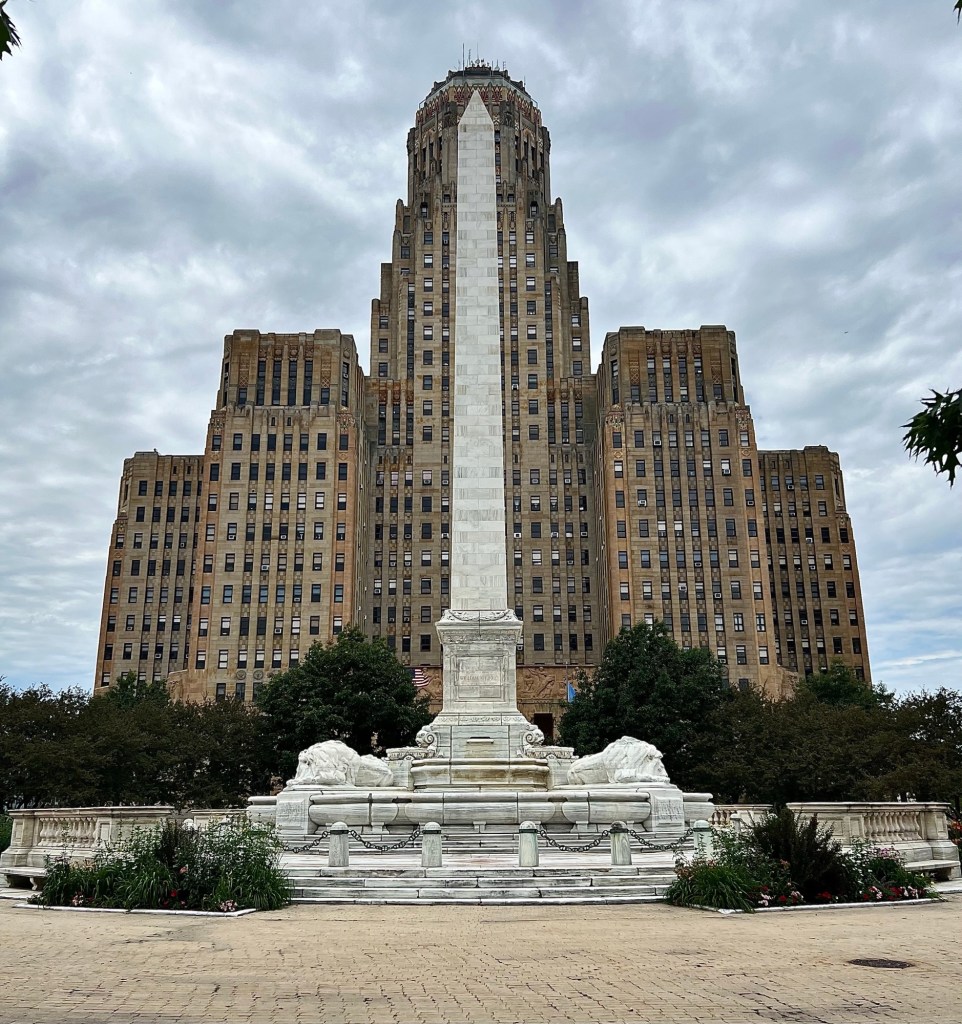
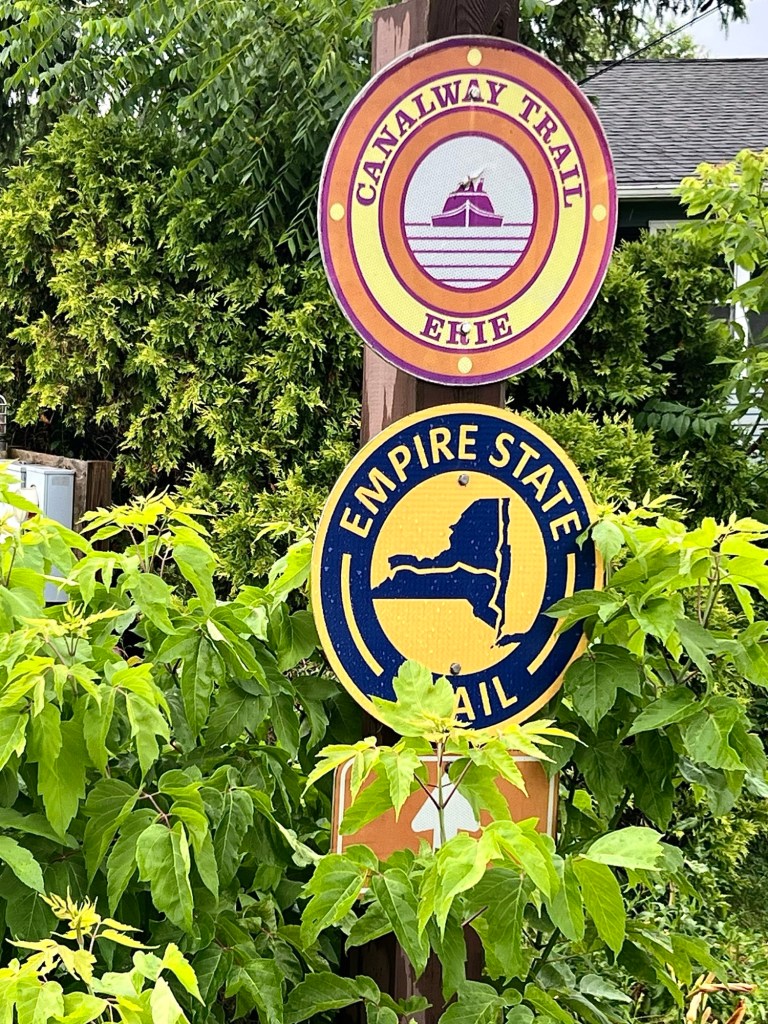
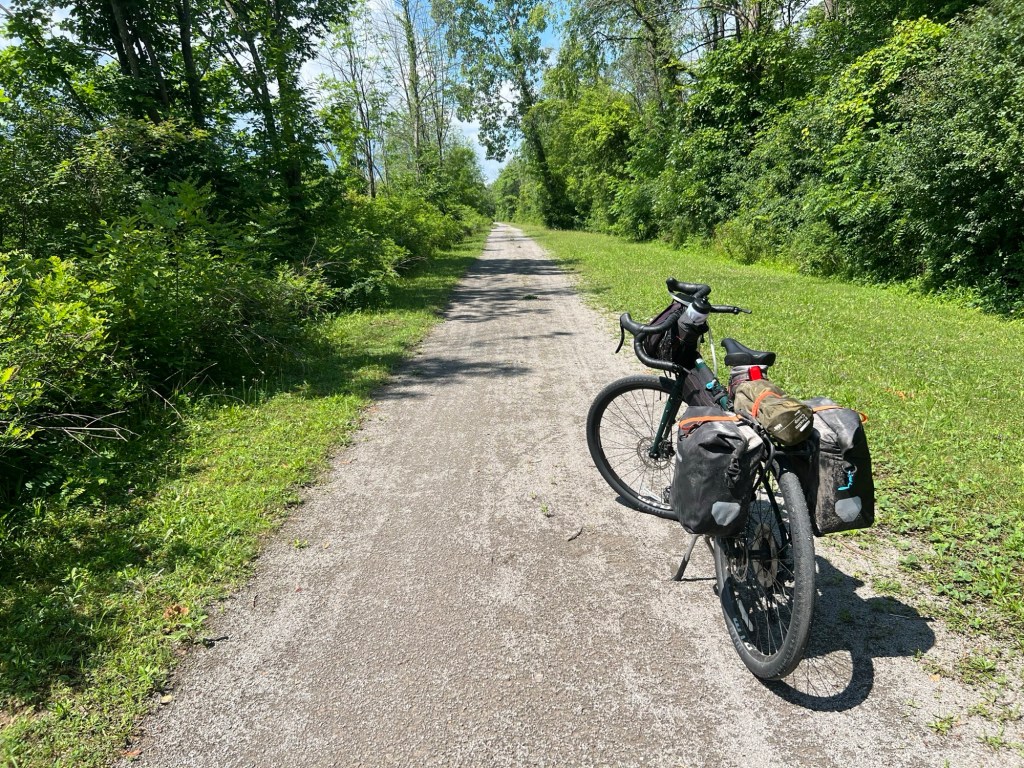
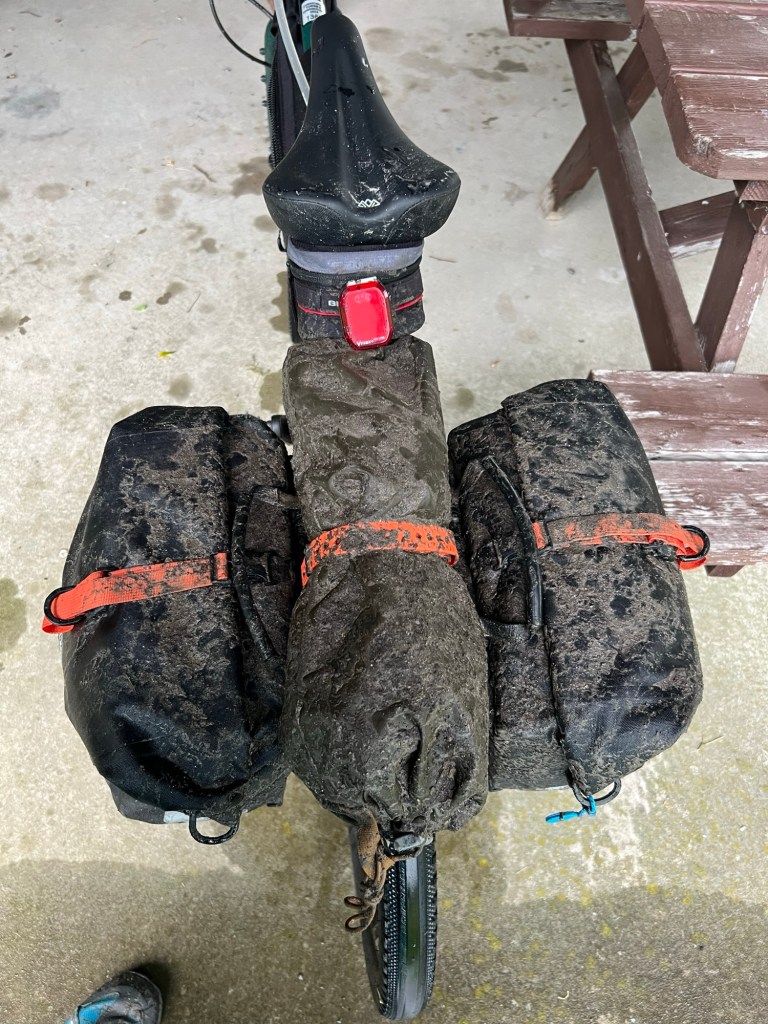
So, over the next week I might miss a post or two. I’m spending the next week on my bicycle riding from Buffalo to Albany, NY with 650 other folks that think biking 400-miles in the dead of summer is a good idea.
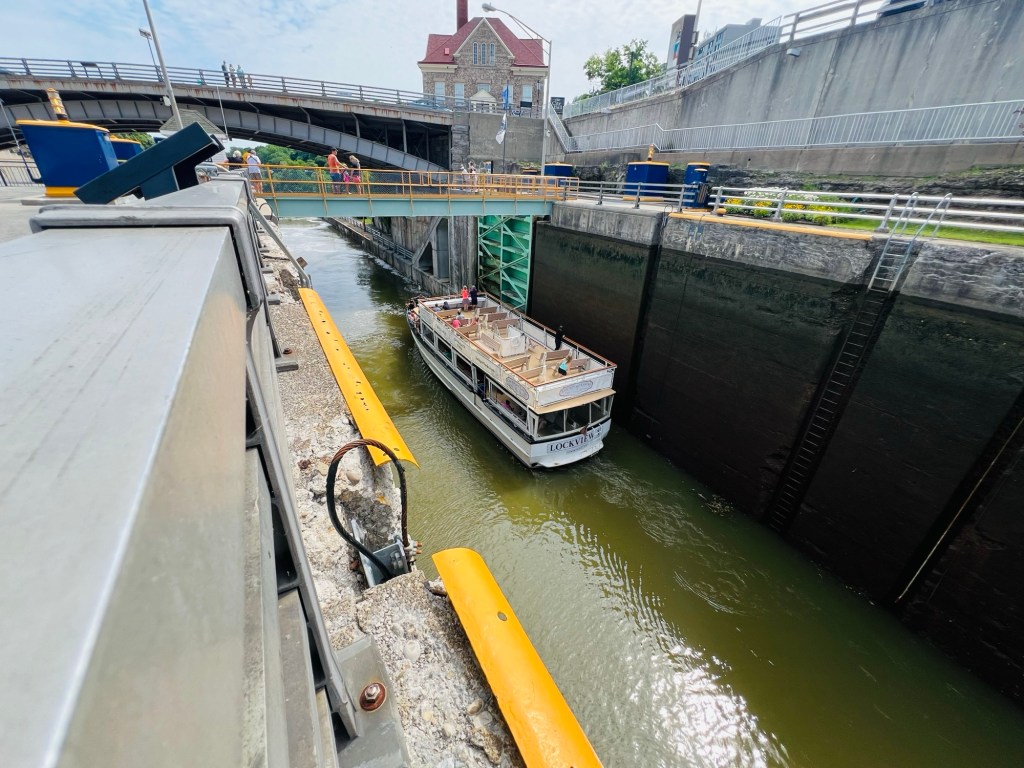
Well… it’s a splendid idea and that’s why we’re doing the 26th annual Cycle The Erie Canal bike tour.
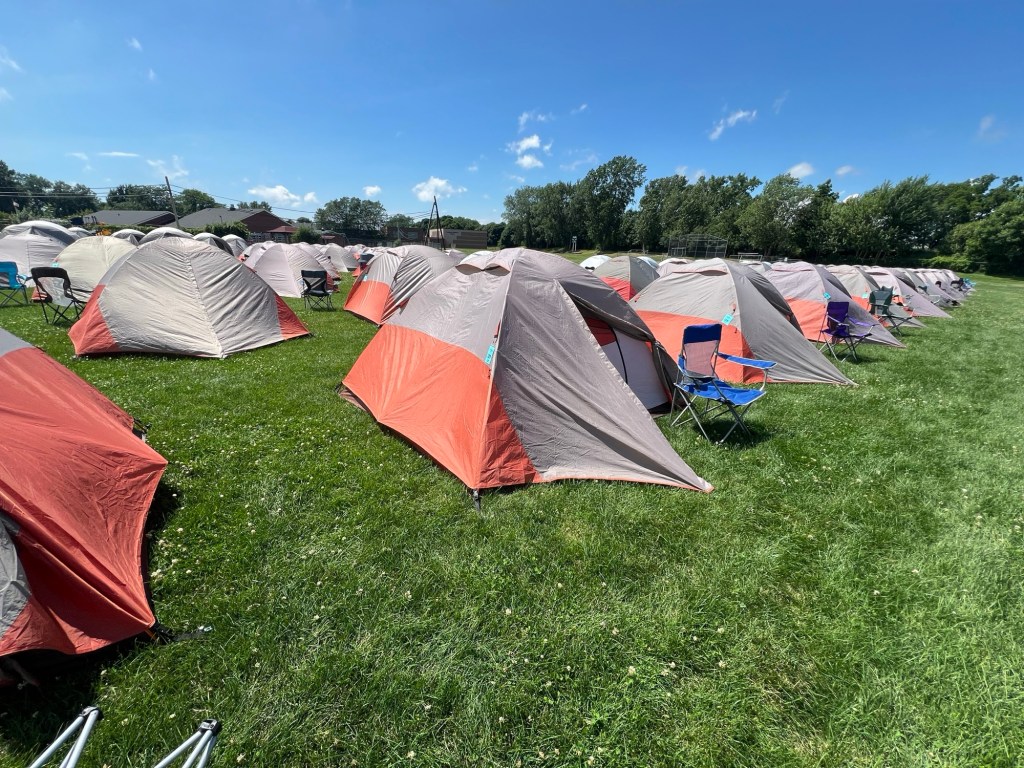
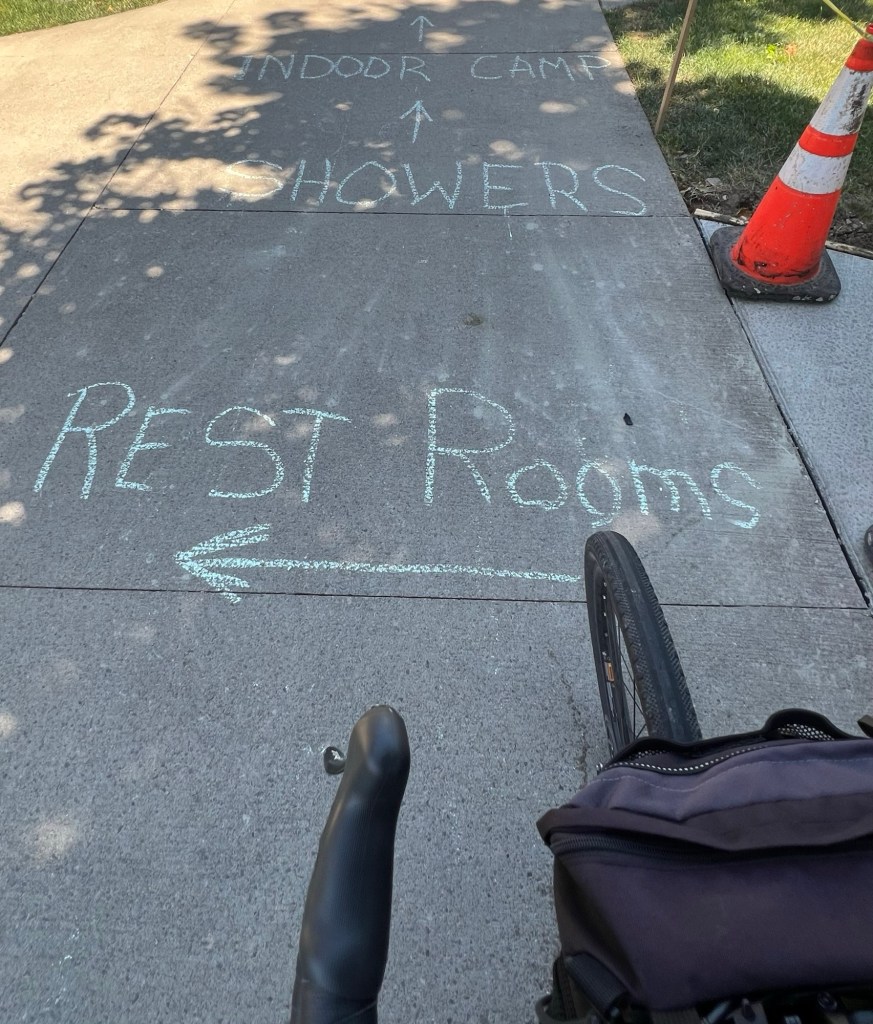
Service may be spotty—it was last year, and we’re not staying in hotels or B&B’s but at community centers, middle school and high school athletic fields, etc.; so camping out usually means little or no WiFi, hence posts may be spotty this week.
We cycle the darn thing because the darn thing is there… stay tuned…
I’ll still be reading, writing + riding.
What I’m Reading:
When we were young the earth was dying like a hero in a streetlight.
As scorching heatwaves intensify and the frequency of wildfires surges … many European travellers … changed how they plan their holidays. Three in four (76%) European travellers are adapting their behaviour to the climate crisis…
— Clea Skopeliti / “‘My escape is going north’: heatwaves begin to drive tourists in Europe to cool climes” / The Guardian
Steadfast and awful, my tall father / Hit hard as a hailstorm. He’d leave marks… Like the sound of my mother weeping again, / No sound beating ends where it began.
— Jericho Brown / “Duplex”
The weather seems to be on steroids and natural disasters increasingly appear to be less and less natural. But this is not the new normal. What we are seeing now is only the very beginning of a changing climate caused by human emissions of greenhouse gasses.
— Greta Thunberg / The Climate Book: The Facts and Solutions
I am not in the mood For anything I leak desire
I owe this all to poetry Strange humor I found you again
— Dorothea Lasky / “Twins”
Americans have traded sedans for crossovers and SUVs for full-size pickups with total abandon over the past decade. To the extent that we think at all critically about the sheer bulk of the vehicles we drive, we’re usually motivated by environmental concerns. One common notion—though auto-safety experts will say it’s not that simple—is that it’s safer to get around in what’s basically a tank. But those benefits, exaggerated as they may be, are only for people inside the vehicle. People outside—pedestrians, cyclists, wheelchair users—are in more peril.
— Angie Schmitt / “Big Cars Are Killing Americans“ / The Atlantic
The Puppet Pastiche Community is excited to announce our 4th of July Idiosyncrasy: Indemnification Creepy Creditor Party on Thursday July 4th, from 1-5pm in the lockup.
Get your Lifeboats! This one’s a loss. But even the Greeks, the Huns, the Romans had to recede into the twilight’s last steaming pile o’.
Drool and mutter under the harsh light’s red glare. Come one, come all! Watch the listing ship o’ fools. We’ll provide the hats and streamers. If you’d like to attend, we will send out an RSVP for DOLLARS and fossil fuels shortly.
Ventilators will be provided for a non-nominal charge.
Ice cream social to follow.
Happy happy joy joy.
What I’m Reading:
We comprehend it now this land is two lands one triumphant bully one still hopeful America Imagining amber waves of grain blowing in the wind purple mountains and no homeless in America
— Alicia Ostriker / “Ghazal: America the Beautiful”
a man didn’t fit— i witnessed the full measure— his limbs were removed, and mailed in an envelope that read: anywhere but here.
What I’m Reading:
Vivid memories that flash into the mind’s eye might be made in the primary visual cortex, the same area of the brain that processes raw visual input from the eyes.
— Julian Nowogrodzki / “How the ‘mind’s eye’ calls up visual memories from the brain” / Nature
I have well trod ways of going off the rails. I have multifoliate multivariances and polyvalencies of texts. I have Brakhage films and John Cage bubblegum. I’m gonna chew chew chew ’til my teeth get numb. I have the eyeless in Gaza player piano bolweevils in exploding plastic shades. I have a plastic covered couch and a take ‘n tape cassette player. I have gutted all my victual fish and lived a livestock week in panoply and cornucopia. I have called upon Mr. Pharmacist to make my life more bittersweet but he only succeeds at distanat quasar sounds. Oh please be here because I am, and I don’t really want to go there where you’re not. That’s impossible, that’s im… that’s impossible, that’s im-poss-i-ble… you’re in Nova Scotia but I’m not…
Rimsky-Korsakov was lying in an arroyo under the noonday sun. His eyes blistered. His lips chewed away by ravenous coyotes, who were now digging deep into his viscera. He hummed a new melody he thought he might be able to develop into an operetta. One of the coyotes had offered to write the libretto in a picaresque style reminiscent of Count Von Yorga Difibrio of Romania. Korsakov thought Sikorsky would be excellent in the lead, as he had a tin ear and leaden lungs.
“Yes, Sikorsky it is…”
(This was the day she started to write again. It didn’t matter much what she wrote, just that she did… so she wrote this…)
What I’m Reading:
picasso’s fingers all wear prison uniforms to paint an emptiness …
— Duo Duo / “See the Smoke in the Bottle, the Sail in the Bottle”
Poetry does not prevent massacres. It cannot undo bombs, snipers’ bullets, mass starvation, sickness.
— Trish Salah / “about this poem” / poem-a-day
The frequency at which extreme fires occur around the world has more than doubled during the past two decades, according to an analysis of satellite data. The results provide the first solid evidence to support a nagging suspicion that many scientists and others have had as they watch a seemingly endless series of infernos scorch ecosystems and communities: wildfires have increased somehow, and climate change is almost certainly a factor.
— Jeff Tollefson / “You’re not imagining it: extreme wildfires are now more common” / Nature
… So, night after night, we sit in the dark of the Roxy beside grandmothers with their shanks tied up in the tourniquets of rolled stockings and open ourselves, like earth to rain, to the blue fire of the movie screen where love surrenders suddenly to gangsters and their cuties.
— Lynn Emanuel / “Blonde Bombshell”
No amount of adaptation to climate change can fix Miami’s water problems …
“Rain bombs” such as Invest 90L are products of our hotter world; warmer air has more room between its molecules for moisture. That water is coming for greater Miami and the 6 million people who live here. This glittering city was built on a drained swamp and sits atop porous limestone; as the sea keeps rising, the National Oceanic and Atmospheric Administration forecasts that South Florida could see almost 11 extra inches of ocean by 2040. Sunny-day flooding, when high tides gurgle up and soak low-lying ground, has increased 400 percent since 1998, with a significant increase after 2006; a major hurricane strike with a significant storm surge could displace up to 1 million people.
And with every passing year, the region’s infrastructure seems more ill-equipped to deal with these dangers, despite billions of dollars spent on adaptation.
— Mario Alejandro Ariza / “Miami is Entering a State of Unreality” / The Atlantic
After Novocain, pain returns in small surges you might mistake for the life it has replaced.
— Joyce Carol Oates / “Poem for the Poet’s Bithday” / The New Yorker
It is widely accepted that humans have been heating up the planet for over a century by burning coal, oil and gas. Earth has already warmed by almost 1.2 degrees Celsius (2.2 degrees Fahrenheit) since preindustrial times, and the planet is poised to race past the hoped-for limit of 1.5 degrees Celsius of warming.
But fewer people know that burning fossil fuels doesn’t just cause global warming — it also causes global cooling. It is one of the great ironies of climate change that air pollution, which has killed tens of millions, has also curbed some of the worst effects of a warming planet.
— Shannon Osaka / “We’ve been accidentally cooling the planet — and it’s about to stop” / The Washington Post
will anyone make it stop?
— Trish Salah / “without a word”
What I’m Listening To:
Hey, hey Hot sun shines so loud Hot sun Cool shroud Hot sun Mountains melting down Sweet doubt Hot sun
what’s in a bike ride? all of life, if you allow— i’m a wheel … a wheel … syracuse to buffalo buffalo to albany
(a wheel… a wheel… a wheel… a wheel)
What I’m Reading:
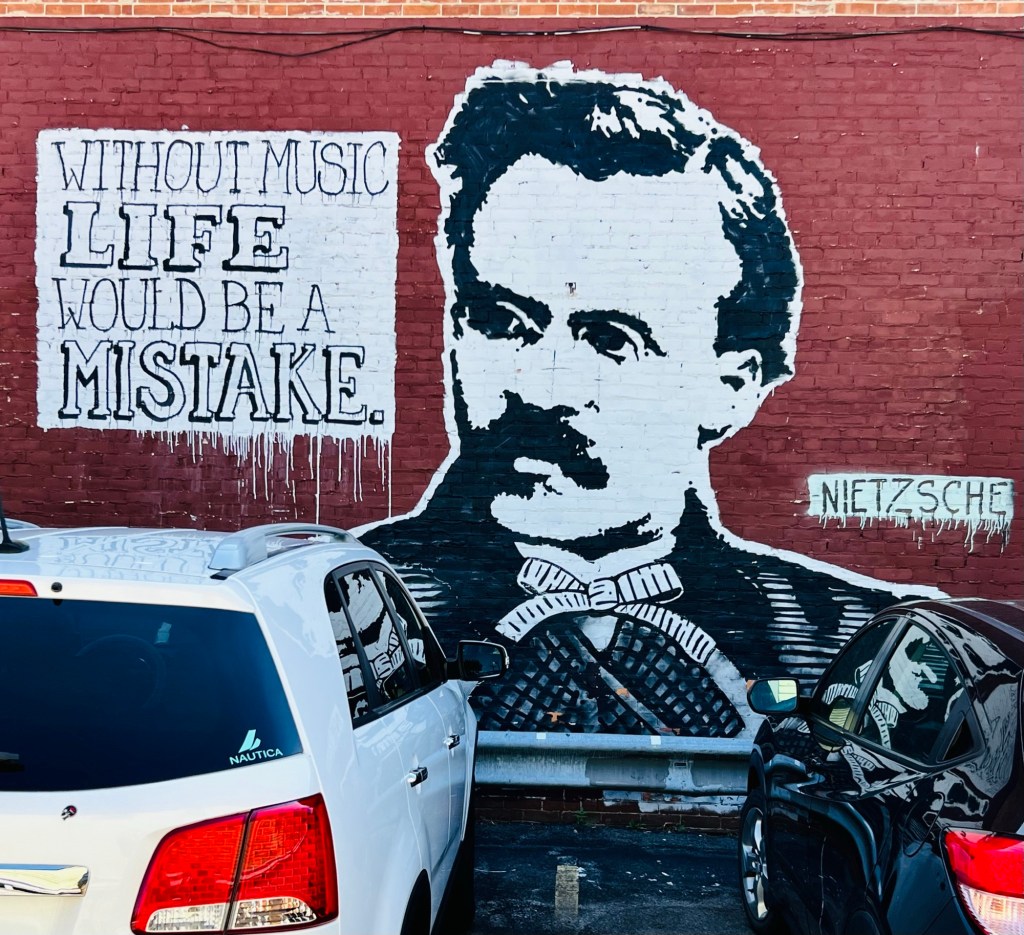
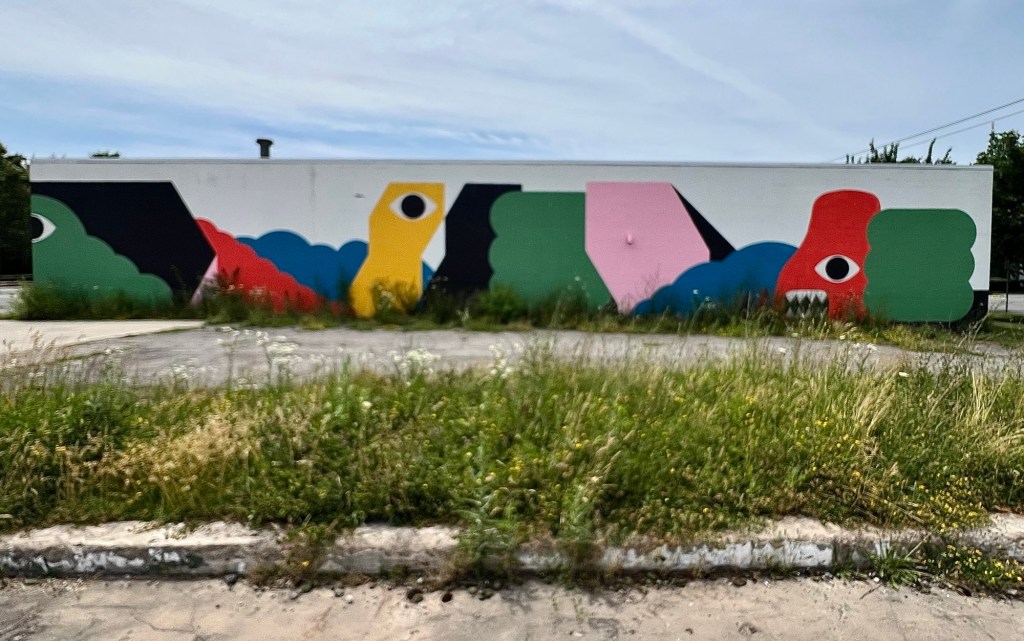
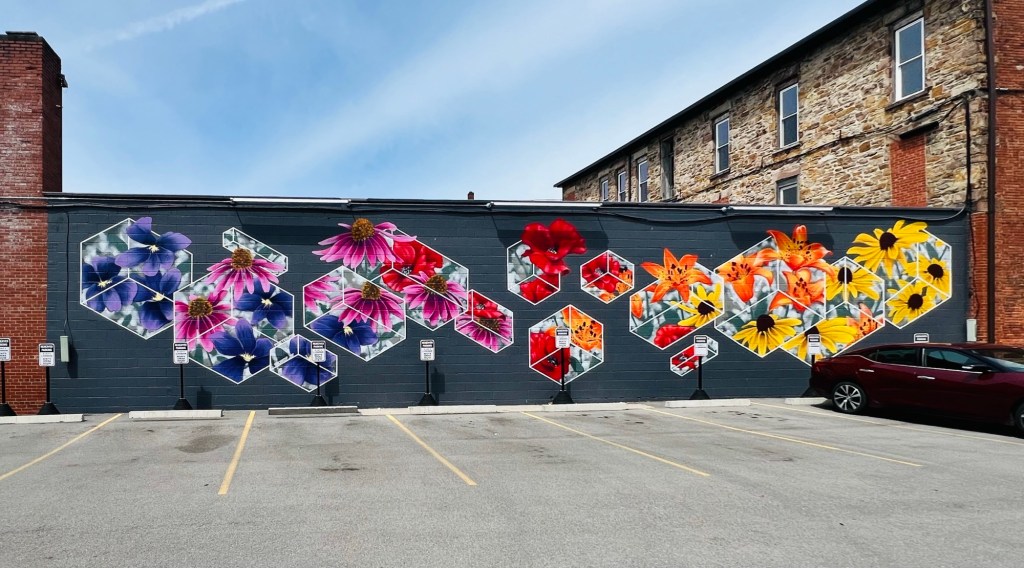
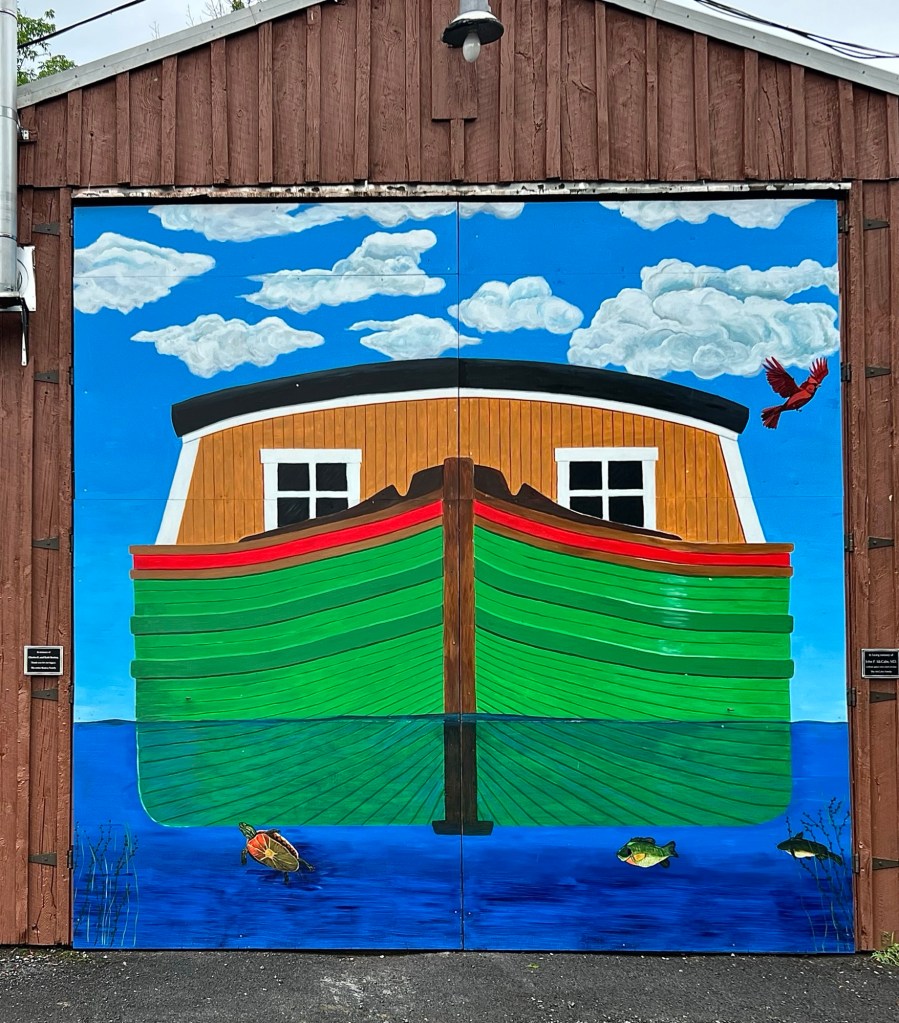
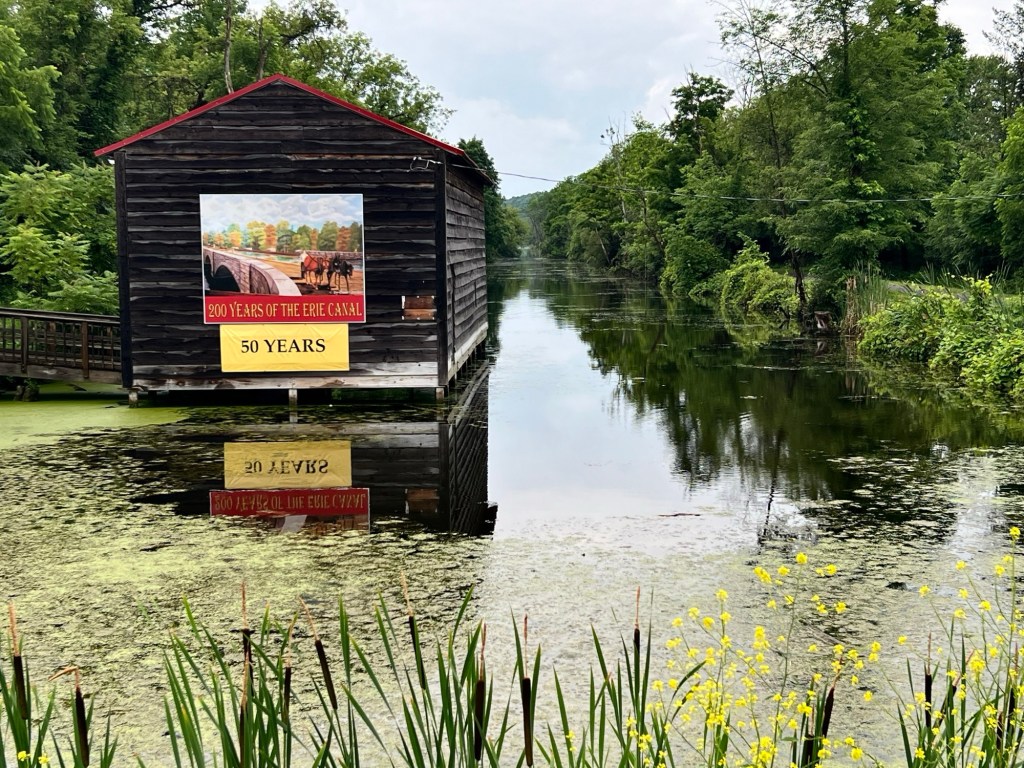
Mural mania is sweeping across western New York with an emphasis on canal towns. It got its grassroots beginning in Lyons and the “mania” is tagging the villages along the canal. Generally, the murals depict early life along the canal in the hopes of preserving the history of this period through art.
The mural trail features 75+ murals spanning over 100 miles.
A high concentration of murals is located in Wayne County with 54, each telling a different story.
— The Official Visitor’s Guide To Wayne County / Finger Lakes Lake Ontario The Erie Canal









 thee istsfor manity reader