From Corita Kent’s rules for students and teachers.
Interlude IV
The clouds fat with snow The moment before dehiscence The portent in the air The virus crackles and hisses
The sated heave of home There’s no place Like your place In this world
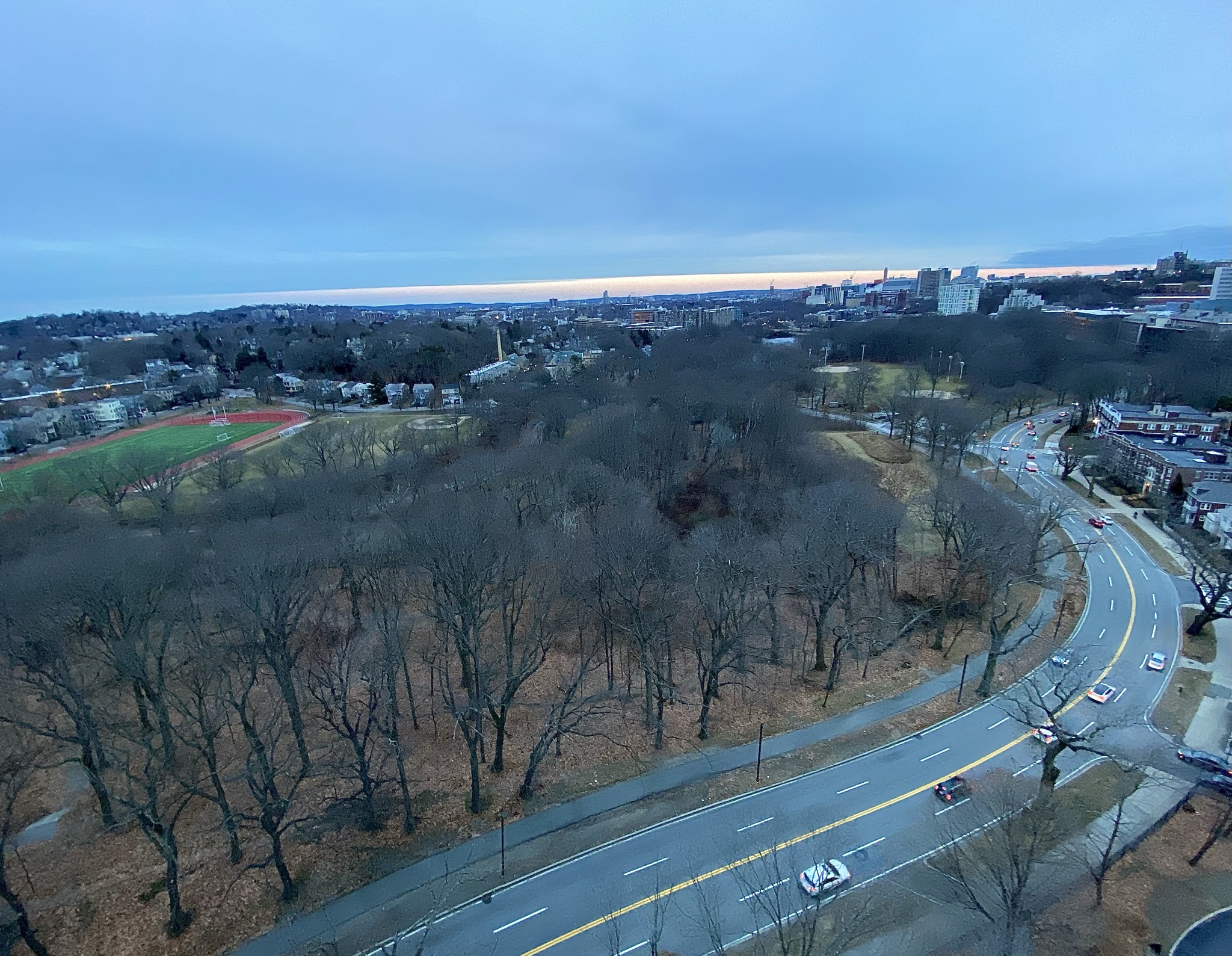
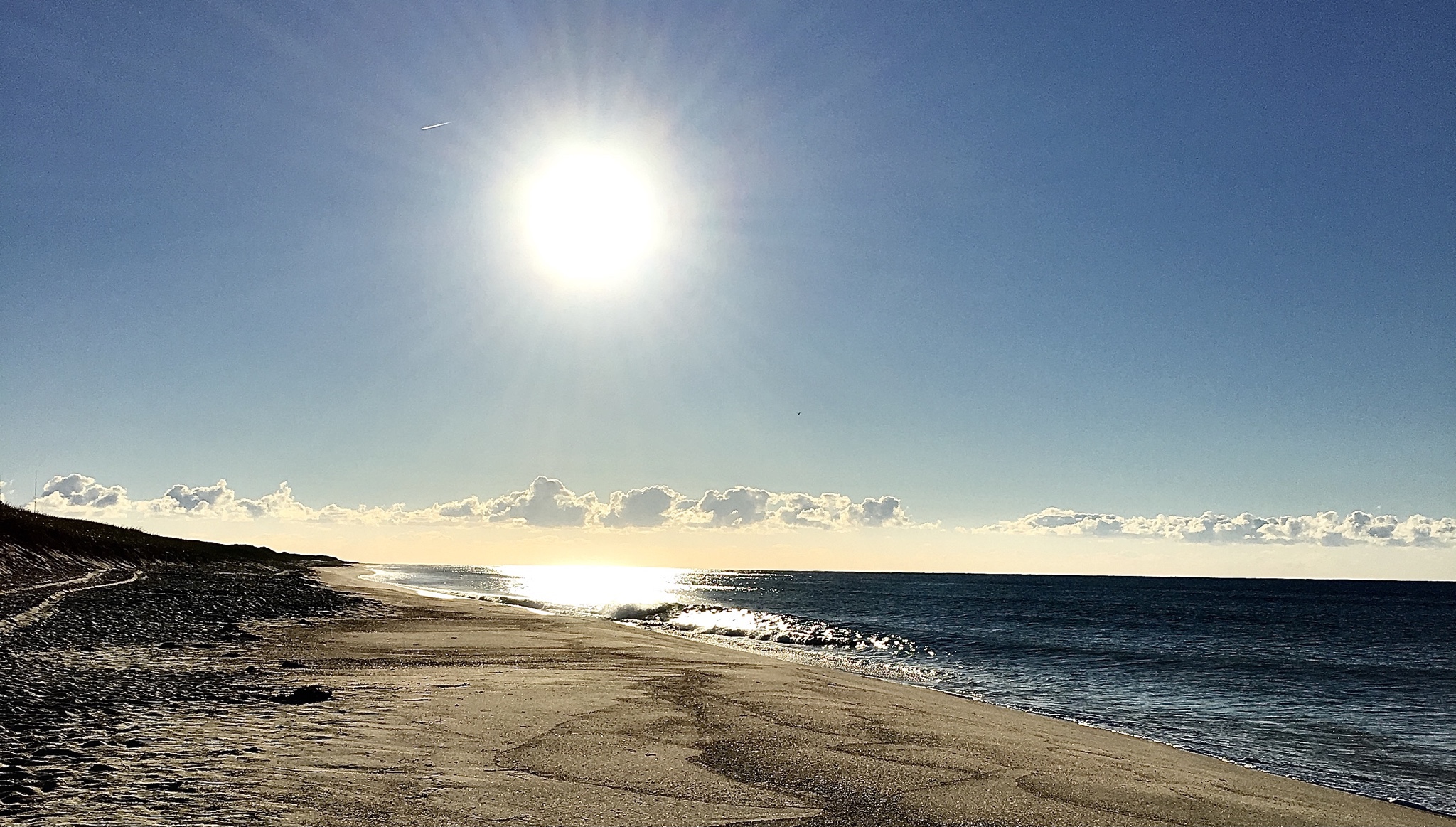
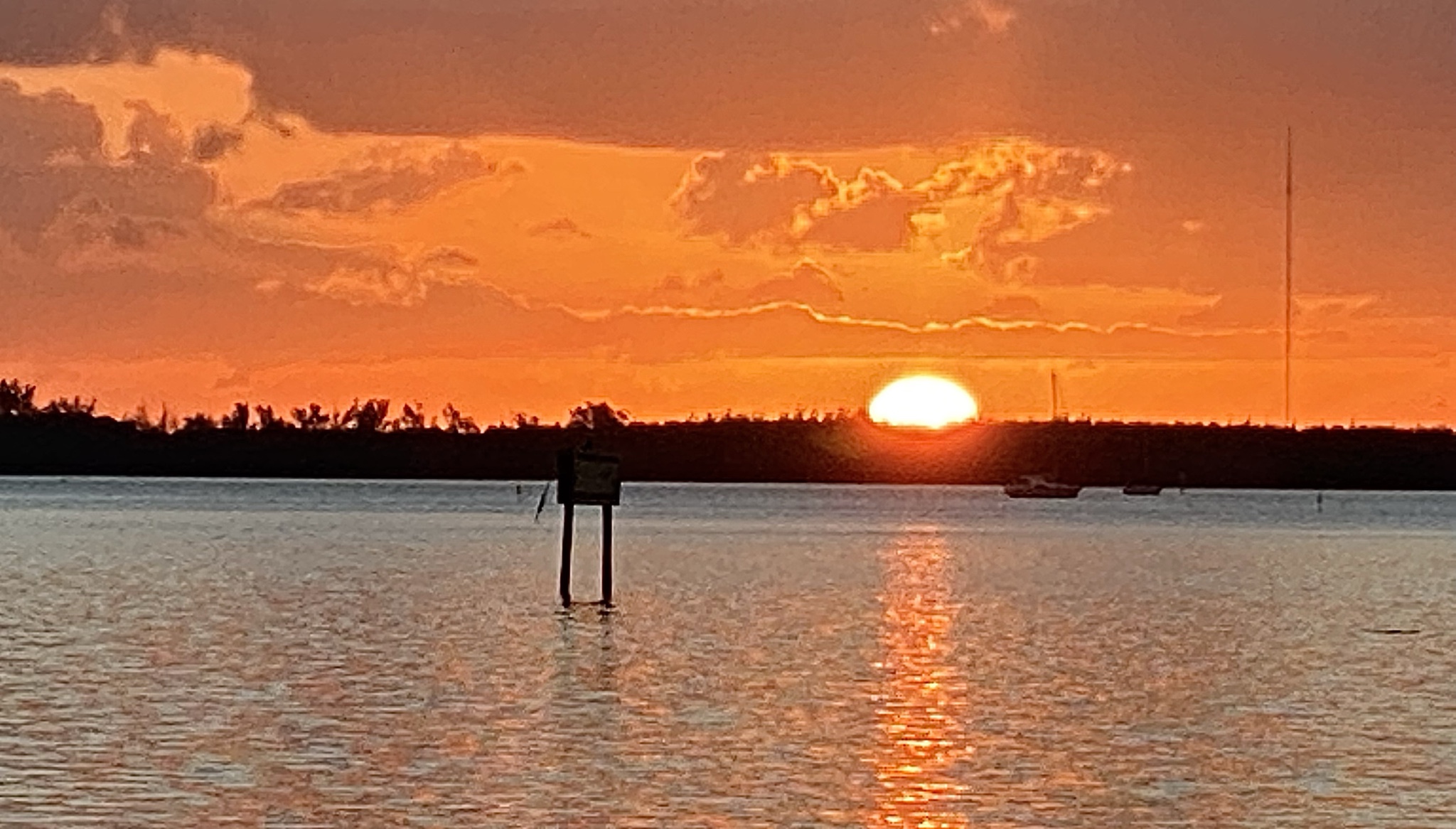
This is winter in Jamaica Plain, MA on 01/03/22 at 7:21 a.m.
“We began dreaming of new ways forward. May we not return to ‘normal’ and its toxic expectations of productivity and hustle. May we all listen to the body for sustainable ways forward.”
—Camisha L. Jones / on her poem “On Working Remotely & No Longer Commuting with Chronic Pain”
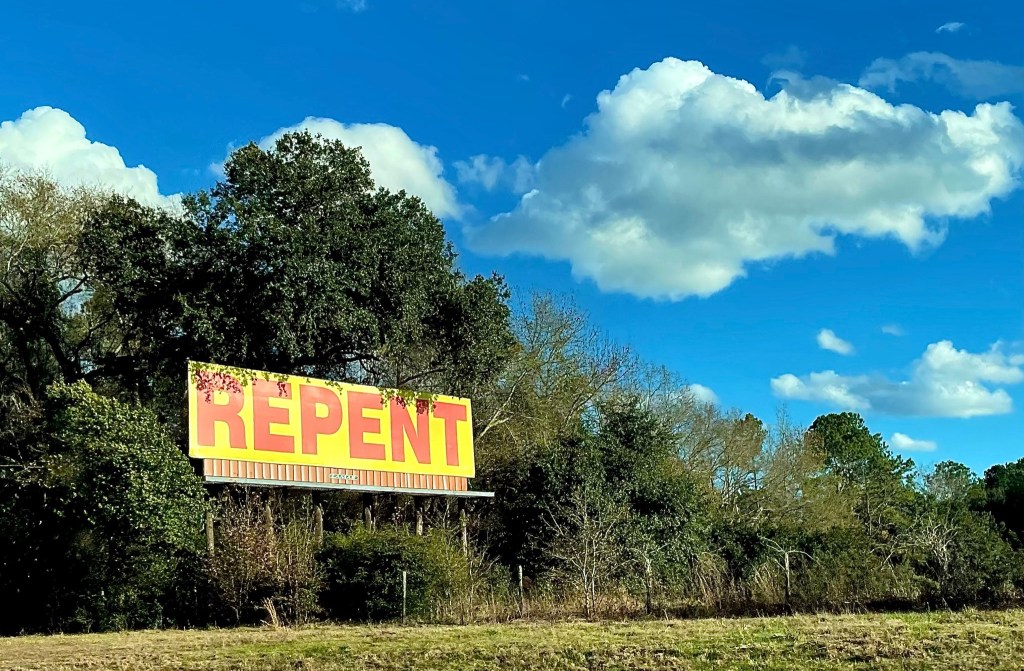
Maria could not. Maria would not. She drove on, not stopping anywhere in the south—arriving on fumes just north of the Mason-Dixon line. Then the overwhelming colorfast would resolve—the cobwebs would scatter. Then she would hibernate through the remaining plague times. Repent? No!
“Hope is my only motivation. I put no faith in the god they try to force upon me. I commit my faith to chance…”
— Rhonda M. Ward / “Desirous of Her Liberty at This Time”
Awake in a daze. So much to look forward to at once, then you must deconstruct it into 365 pieces and concern yourself with just this one here. It’s usually colder than most other days. Earnestness is often overdone, the force of resolutions seem reasonable, even in the most overzealous cases. The pages of the calendar, journal, etc., are barren and full of such wondrous possibility. Despair dissipates, a bit, exiled to the peripheries for a while. In most cases you haven’t fucked up yet, you haven’t had enough time to screw anything up. The emails taper-off a bit, momentarily, the requests for donations have all but disappeared. Soon they’ll begin again with best wishes for the upcoming struggle. Now push. The boulder you burden with seems momentarily lighter, easier to move. Now concentrate. The pitch increases quickly and you don’t wish to lose your handle. There is danger about.
But before Maria heads north—heads home—she writes:
On the first day of the new year, as the second year of the second decade of the second millennium begins—into the third year of the plague—these are my
New Year’s Dissolutions for 2022:
January
1. Make it home from the south in one healthy piece, and stay healthy at home in the north which is also teeming with plague, into the new year and beyond.
February
2. An internal rhyme to end all couplets. (Left over business—I didn’t accomplish this last year!)
March
3. Compose my Threnody Symphony in Five Movements.
April
4. Graphic blandishments in the Charles Schulz style. (More unrealized business from last year—because it’s the cruelest month.)
May
5. A deeper exploration into the benefits of trepanation.
June
6. Polish my boulder twice a week; ask S. how he keeps his so neat and unaffected by erosion after all these millennia.
July
7. Watch Eraserhead 27 times in 30 days again.
August
8. Master the Verfremdungseffekt and speak only in dactyls at twilight. (It’s too hot for anything else.)
September
9. Be mindful 6 times a minute, or 360 times every hour, or 8640 times each day.
October
10. Reverse all the processes of eutrophication in all the world’s waterways. (I’ll need a touch of help on this one.)
November
11. Put out the wildfire in my head.
December
12. Again: The best plan is none.
“And so instead of wishing you all a happy year’s end / happy new year, I will simply express gratitude and love and faith in our imaginations, since I actually believe our imaginations are what carries us in the face of fuck. To all of you from all of us–misfits, dreamers, mammalian kin; let all of our imaginations move us toward our next becomings. You are the rest of us. You literally keep us alive, noisy, unflinching.”
Maria realized the more time passed the more one was alone, adrift, assailed. The only point was there was no point. Survive one more day, one more hour.
There was nothing left for Maria to do but go back home, back north. Everyone she cared about were in their own hermetic pods, quarantining, staying as safe as they could. This wasn’t a time to be gallivanting around the country, in the face of a noisome bug. This was not a time to be in her old home town.
She plotted and mapped, and set a course wide of the marauding bug, but soon she realized the bug was everywhere, so she drew drunken contour lines all over her map—filling the paper with lines that obliterated the underlying image of the country.
She spray painted the wall of her childhood bedroom—a room that now proved suffocating and claustrophobically small—some words she paraphrased from something she once read:
“Mr. Universe, I exist.”
And off she went.
“A man said to the universe: “Sir, I exist!” “However,” replied the universe, “The fact has not created in me A sense of obligation.”
“The words are growing in the field, and they hover above the page. They’re like flowers, and I pick the ones I like. My eye is roaming all over, trying to make connections.”
Maria slipped through the mangrove swamps—apropos, considering the strangeness of the inland country—all manner of bird calls but not a single bird visible.
She retraced the miles back south to her home town by the sea—but was chased out by the ever widening viral curtain, it swept out in waves from the airports, inundated the ports, and streamed in with the masses of vacationers flowing south.
Now she was certain that her hopeful attempt to visit the past was a mistake, and her family was in the throes of the viral avoidance two-step. It was a most foul dance. It was the most unfortunate of synchronicities.
The virus was traveling untrammeled via the interstates—it was flooding the country: north, south, east, west. The streets were teeming with virus. The waysides and rest stops on the road, the restaurants and inns, all points billowed with bugs. Tidal wave after tidal wave of sickness.
There was plannifying and scarifying required. She’d lay low back among the mangroves and cottonmouths, and figure out her next move.
“Perhaps the world will end at the kitchen table, while we are laughing and crying, eating of the last sweet bite.”
Maria moved further north, and inland, away from her home town—away from the hassle of hipster hoodoo.
A transmission blared:
… don’t bring me no corner gape, nothing eager, and nothing to prance about. No soap. No soap anywhere. Here the talk is cadaverous. Here the talk is all plate glass and metal angles. Who comes here to make the beds and wash the dishes. Let’s hurry to the dark alleys of hideous intent, and chicken shacks without shoes, and full o’ blues …
It landed with a thud and black douse. Sensible things were for silly rabbits, and Maria ate him for a grand Christmas meal. The only sense was in the the insensate. Like a garden variety croton, Maria set out to festoon the town in a sensoria of senselessness. To appease and applause.
“The confusion is not my invention. We cannot listen to a conversation for five minutes without being acutely aware of the confusion. It is all around us and our only chance now is to let it in. The only chance of renovation is to open our eyes and see the mess. It is not a mess you can make sense of.”
“The lands and waters they gave us did not belong to them to give. Under false pretenses we signed. After drugging by drink, we signed. With a mass of gunpower pointed at us, we signed. With a flotilla of war ships at our shores, we signed. We are still signing. We have found no peace in this act of signing.”
— Joy Harjo / Conflict Resolution for Holy Beings: Poems
image: Wikipedia, Johannes Ebert and others, Europas Sprung in die Neuzeit, Die große Chronik-Weltgeschichte, 10 (Gütersloh: Wissen Media, 2008), p. 197.
A Grand Idea
Well, it didn’t snow in the south on Christmas, and certainly not in Maria’s home town by the sea.
Now, the only thing Maria wanted for Christmas was a plague doctor’s mask—with a bonafide beak protuberance for aromatics—and an ankle length black leather cloak, and the wide flat hat.
Oh, the places she could roam!
She looked under the tree and found a small box tagged with her name. She ripped the wrapping off and saw N-95 printed on the box.
Maybe next year, she said.
If there is a next year, said Mr. Munchems.
Mr. Munchems, you can be such a bore, she said to her rabbit.
Listen, Maria, you can’t always get what you want, Mr. Munchems said between nibbles of dandelion greens, but you take what you need, and pass the love along.
But Mr. Munchems, she said, in this world that seems so bereft of love and good will, what is there to take but bad vibes?
What year do you think this is kid, 1969? Bad vibes? Mr. Munchems said. You do what you can. You get ‘bad vibes’ and you turn them into … uh … uh, lemonade … yeah, lemonade!
Mr. Munchems, I think you’re nuts, Maria said. You’ve been eating to many mushrooms.
Listen, kid. Just try and make the world a little bit better place than you found it. Start here at home. Then your neighborhood. Then your home town. Concentric circles, kid. Just circle out in ever-widening ‘good-vibe-osity!’
Maria struck with a grand idea …
That night the family enjoyed a most good-humored meal—Rabbit Terrine.